There are moments when a phrase we have heard countless times suddenly takes on a deeper meaning. “We live in different worlds” was one such phrase for me after visiting Base Camp, Nakivale Refugee Settlement in Isingiro District, Southwestern Uganda.
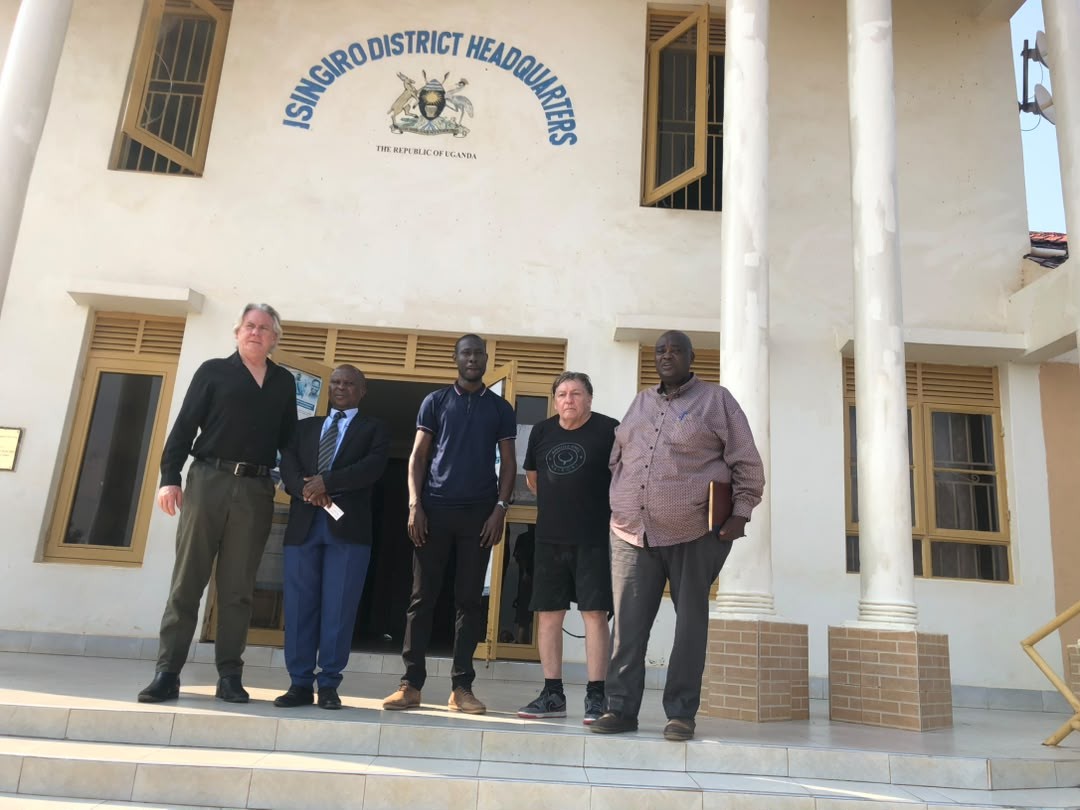
Figure 1: Photo between Joule Chamber, and Joy for Children Uganda Representatives with Mr. John the Deputy CAO Isingiro District at the Isingiro District Local Government Headquarters.
According to UNHCR data, Nakivale was home to approximately 282,781 refugees as of April 2026. Many face food insecurity, limited access to clean water and healthcare, inadequate nutrition, and dwindling livelihood opportunities amid growing pressure on essential services.
Access to clean, safe water remains a daily struggle for many families in this settlement. Nakivale Refugee settlement covers 185 square kilometers, yet the area has only 3 piped water facilities.
During our visit, we observed water vendors transporting 10–12 jerry cans on bicycles to meet the demand for water. At UGX 2,000 (approximately $0.50) per 20-litre jerry can, accessing this essential resource comes at a considerable cost for households already managing severely limited resources.
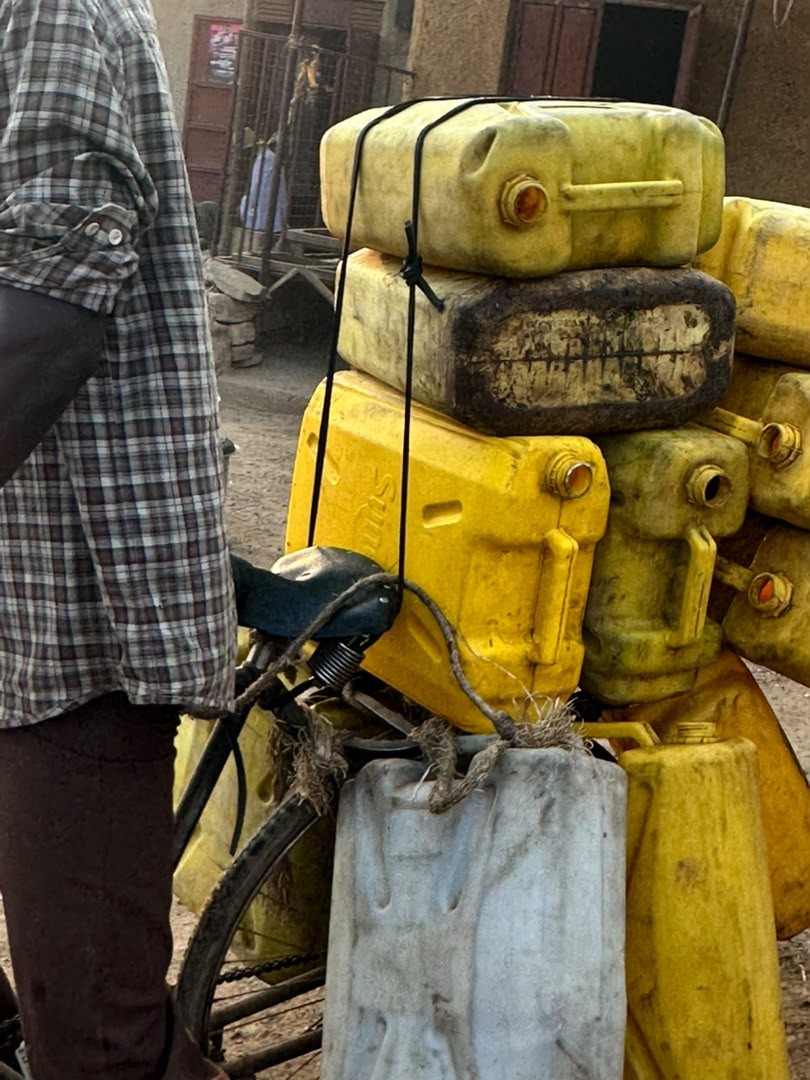
Figure 2: A Water Vendor Hawking a Jerrycan of Water at $0.5 (2,000ugx) in Base Camp, Nakivale Refugee Settlement.
For many families, accessing water means spending hours walking to and from distant water points. For children, those hours can mean missed school. For women, the hours could mean lost opportunities to participate in income generating activities. For families trying to cultivate food, inadequate water further deepens food insecurity and poverty.
The impact goes far beyond inconvenience. Limited access to safe water, sanitation and hygiene (WASH) increases the risk of preventable waterborne diseases, malnutrition and other health challenges. For women and children, long journeys to often-crowded water points can also heighten exposure to protection risks, making access to this basic necessity a matter of both health and safety.
This is why the Nakivale water crisis is not a mere water problem. It is an education problem, a health problem, a livelihoods problem, a child protection problem, and ultimately, a human dignity problem.
As we travel back to Kampala, 281 kilometers away, our minds remain in Nakivale.
Joy for Children Uganda has long championed children’s rights, education, economic security, health, nutrition and access to clean water. Our work includes community systems strengthening, child education rights and support for vulnerable communities in refugee settlements.
In September of the year 2024, Joy for Children Uganda was selected by the Government of Uganda Ministry of Education, and Sports (MoES) to aid in the implementation of the World Bank funded Uganda Secondary Education Expansion Programme (USEEP) in the refugee hosting Districts like Kyegegwe which is home to Kyaka II Refugee Settlement.
In Kyaka II Refugee Settlement, Joy for Children Uganda worked to create safer, more supportive learning environments by upgrading education facilities at Bukere Secondary School, training teachers, and establishing systems to report and address violence against children across 83 schools.
The needs assessment in Nakivale highlights how important it is to bring reliable, lasting water solutions closer to refugee families, schools and communities. With better access to water, children can attend school more consistently, families can focus on earning a living, and households can improve sanitation while saving money for food, education and other daily needs.
We leave Nakivale wishing we could do more. But perhaps the question is not what one of us can do, but what we can achieve together. Sometimes, changing lives begins with a simple decision to lend a hand.
WASH organizations, development partners, private-sector actors, donors and well-wishers all have a role to play in transforming access to safe, clean water in Nakivale Refugee Settlement. With the right partnerships and sustained investment, clean water can become more than a distant hope. It can mean healthier children, safer communities, stronger livelihoods and families better able to meet their daily needs with dignity.
Nakivale needs water. Nakivale needs partners. Nakivale needs us.